Stock market, industries report initial fallout from Iran war
By Zeale Staff
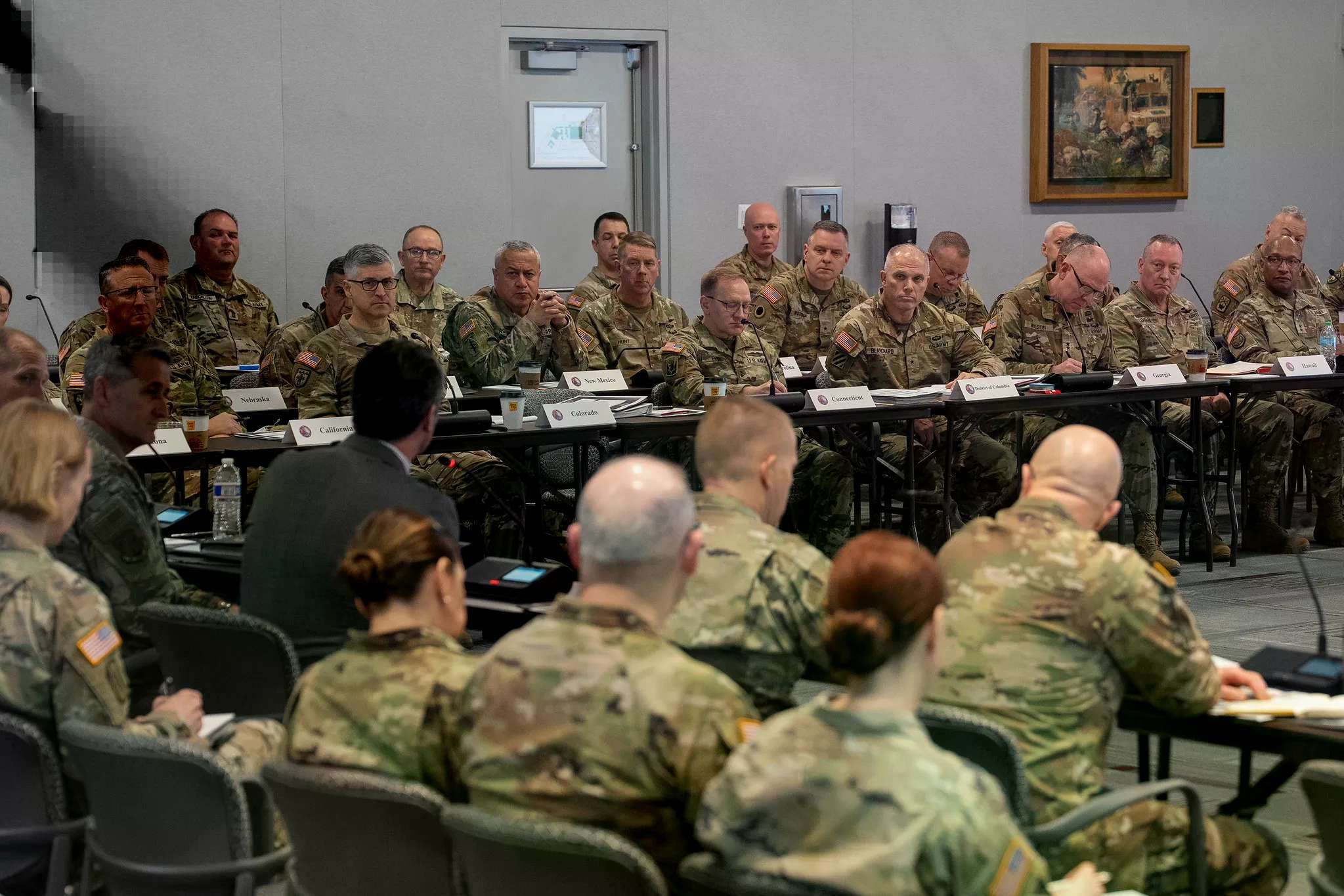
U.S. stock markets opened sharply lower Monday as investors reacted to the escalating military conflict with Iran, with the Dow Jones Industrial Average falling more than 600 points in early trading and the S&P 500 declining 2.3 percent.
The sell-off was broad-based but hit energy, transportation, and defense sectors particularly hard. Oil prices surged past $120 per barrel, the highest level since 2022, as attacks on shipping in the Strait of Hormuz raised fears of prolonged supply disruptions.
Defense stocks, which initially rallied on the news of military operations, reversed course as investors considered the potential costs and duration of the conflict. Shares of major defense contractors including Lockheed Martin, Raytheon, and Northrop Grumman fell between 3 and 5 percent.
The airline industry faces the most immediate impact. United Airlines, Delta, and American Airlines all announced the suspension of flights over Iranian airspace and surrounding regions, adding hours and fuel costs to routes connecting the U.S. with South Asia and parts of the Middle East. Industry analysts estimate the rerouting could cost major carriers between $50 million and $100 million per month collectively.
Shipping companies reported significant disruptions as insurers raised premiums for vessels transiting the Persian Gulf and the Strait of Hormuz. Lloyd's of London classified the region as a high-risk zone, triggering automatic premium increases that shipping executives said would inevitably be passed on to consumers.
Small businesses dependent on imports from the Middle East and Central Asia reported immediate supply chain concerns. The National Federation of Independent Business said its members were already experiencing delays in receiving goods routed through affected shipping lanes.
Federal Reserve officials declined to comment directly on the conflict's economic implications but noted that the central bank was monitoring the situation closely. Economists at major banks warned that a prolonged conflict could add between 0.5 and 1.5 percentage points to inflation over the coming months, primarily through energy prices.
Consumer confidence, already fragile amid broader economic uncertainty, showed signs of further erosion. The University of Michigan's preliminary consumer sentiment index, released Friday before the full scope of the military operation became clear, had already shown a decline. Analysts expect the next reading to show a sharper drop.
Gold prices rose 3.2 percent as investors sought safe-haven assets, while Treasury yields fell as bond prices climbed. The dollar strengthened against most major currencies, a typical pattern during geopolitical crises as global investors seek the relative safety of U.S. government debt.
Latest International
US-Israeli war against Iran escalates on day 4 with Gulf attacks, embassy closures, and widening fronts
Stock market, industries report initial fallout from Iran war
100K flock to Assisi for veneration of St. Francis' body in first week of display
Comments
Sign in to join the conversation.
SIGN IN