US-Israeli war against Iran escalates on day 4 with Gulf attacks, embassy closures, and widening fronts
By Zeale Staff
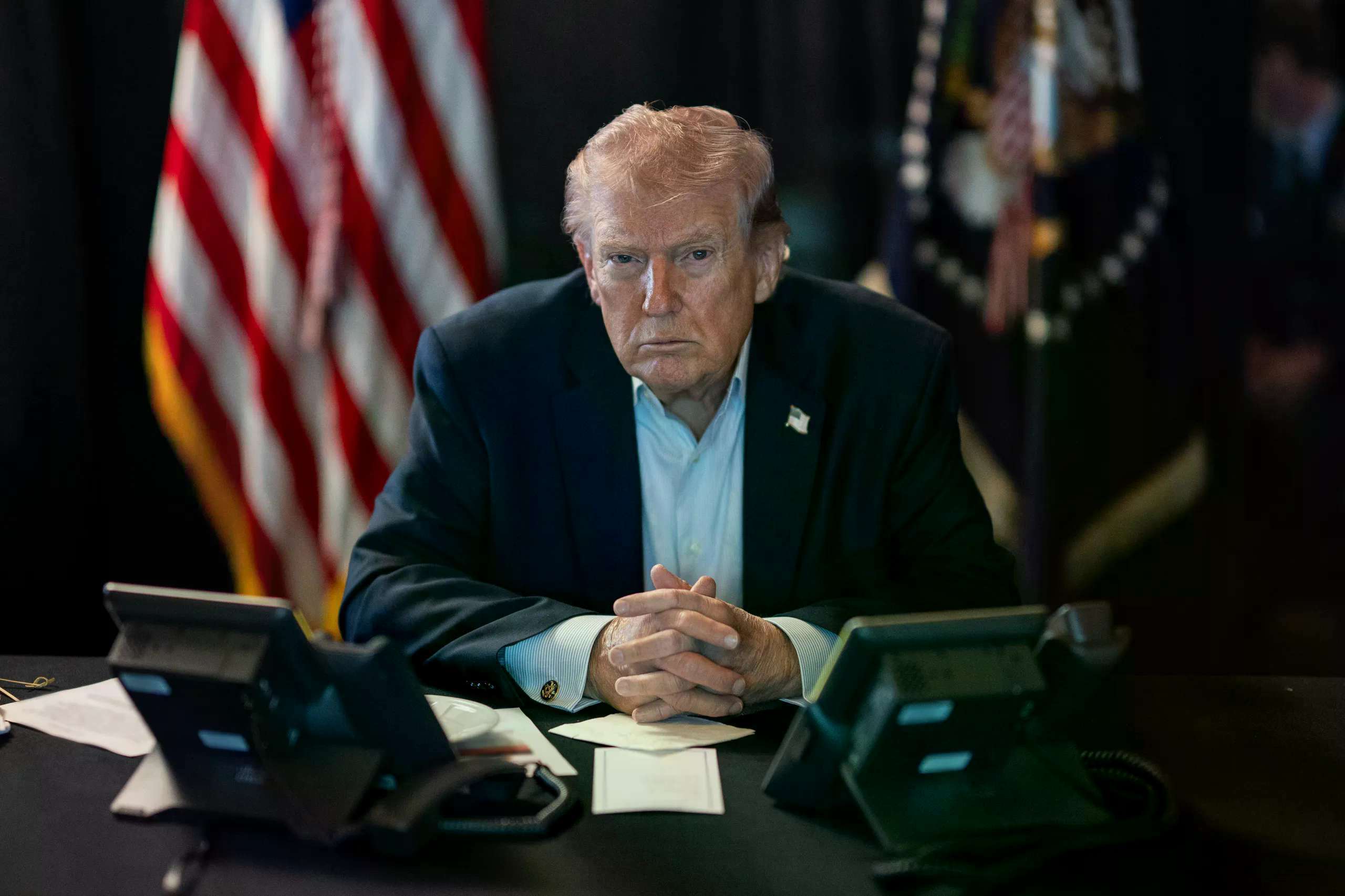
The U.S.-Israeli military campaign against Iran entered its fourth day March 3 with expanded strikes across multiple fronts, embassy closures in the region, and attacks on shipping lanes in the Persian Gulf that threaten global energy supplies.
The Pentagon confirmed that U.S. forces struck more than 40 additional targets overnight, including air defense systems, missile storage facilities, and command-and-control centers across western and central Iran. Israeli forces simultaneously conducted operations against Iranian-linked targets in Syria and Lebanon.
Several nations, including France, Germany, and Japan, announced the temporary closure of their embassies in Tehran, citing deteriorating security conditions. The U.S. Embassy in Baghdad was placed on heightened alert after rocket fire struck the Green Zone early Monday morning. No American casualties were reported.
In the Persian Gulf, Iranian Revolutionary Guard Corps naval forces attacked two commercial tankers near the Strait of Hormuz, according to U.S. Central Command. The attacks disrupted shipping lanes through which approximately 20 percent of the world's oil supply passes daily.
Oil prices surged past $120 per barrel in early trading, the highest level since 2022, as markets reacted to the escalating threat to energy infrastructure. The White House announced it was considering releasing additional reserves from the Strategic Petroleum Reserve to stabilize prices.
Pope Leo XIV renewed his call for an immediate ceasefire, saying in remarks from the Vatican that "the spiral of violence serves no one and threatens to engulf an entire region in suffering." The pontiff urged both sides to return to diplomatic channels and offered the Holy See's services as a mediator.
The United Nations Security Council convened an emergency session to discuss the crisis, though prospects for a unified resolution remained dim given the divergent positions of permanent members. Russia and China called for an immediate halt to U.S. military operations, while the United Kingdom expressed support for what it called "proportionate defensive measures."
Humanitarian organizations warned of a growing crisis inside Iran, where airstrikes have damaged civilian infrastructure including power stations and water treatment facilities. The International Committee of the Red Cross called for all parties to respect international humanitarian law and protect civilian populations.
Members of Congress from both parties have demanded briefings on the administration's legal authority for the operation and its long-term strategic objectives. A bipartisan group of senators introduced a resolution requiring the president to seek congressional authorization within 30 days if hostilities continue.
Latest International
US-Israeli war against Iran escalates on day 4 with Gulf attacks, embassy closures, and widening fronts
Stock market, industries report initial fallout from Iran war
100K flock to Assisi for veneration of St. Francis' body in first week of display
Comments
Sign in to join the conversation.
SIGN IN